Apply by September 15, 2026
Applications submitted by September 15th will receive priority consideration for the Fall and Dec 15th will receive priority consideration for the Spring. Applications may be considered on a rolling basis after these dates if funds remain available.
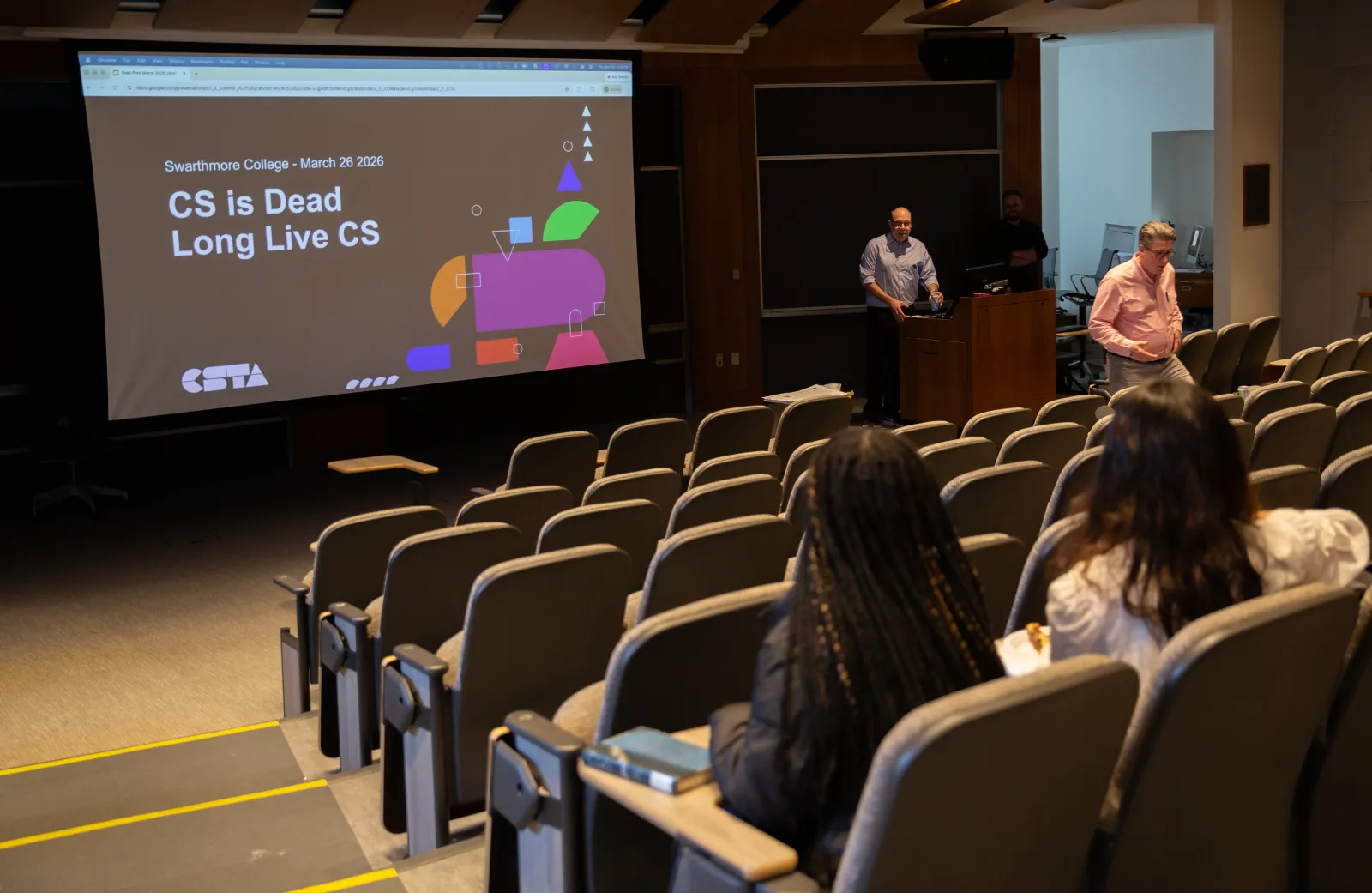
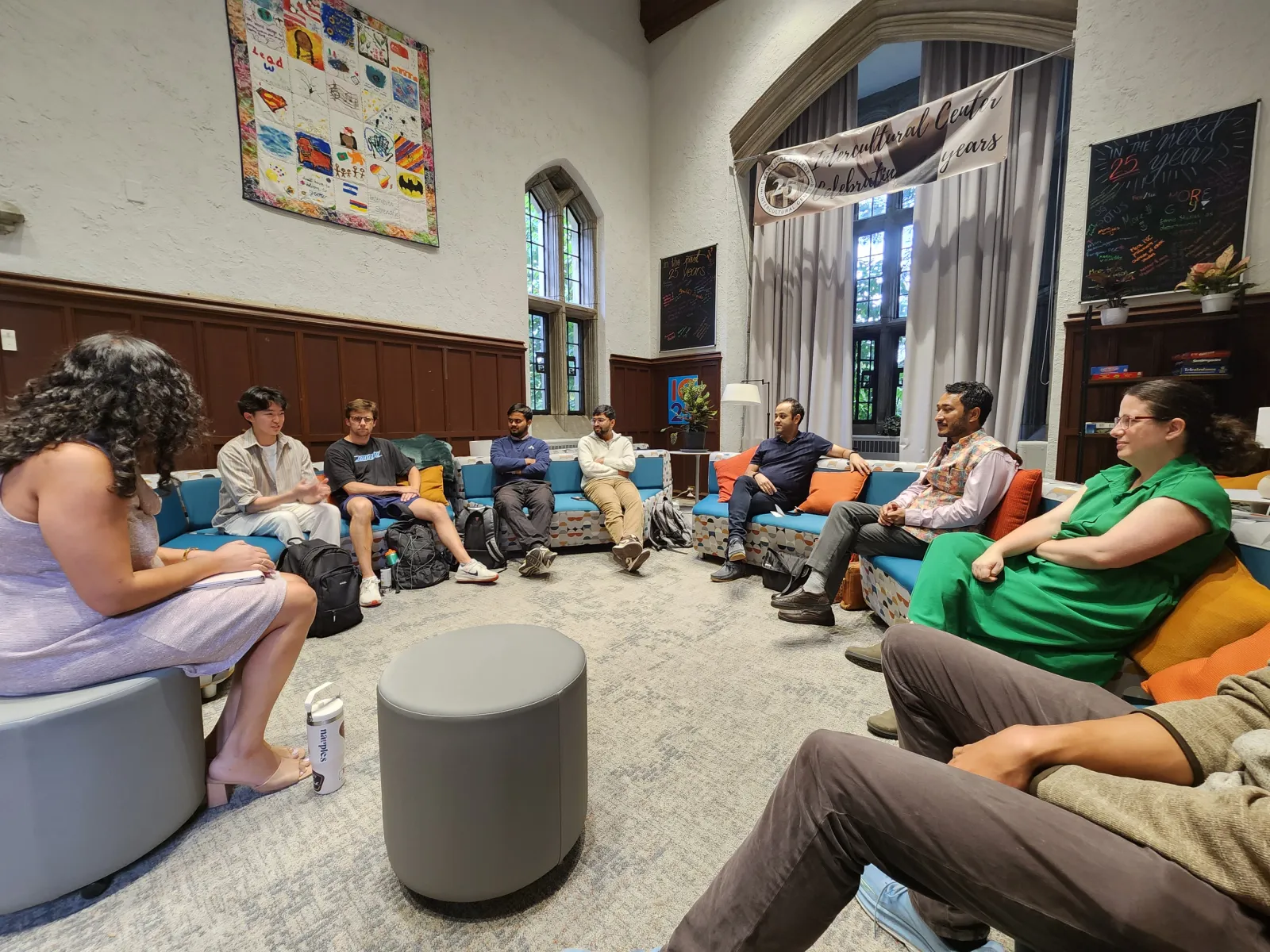
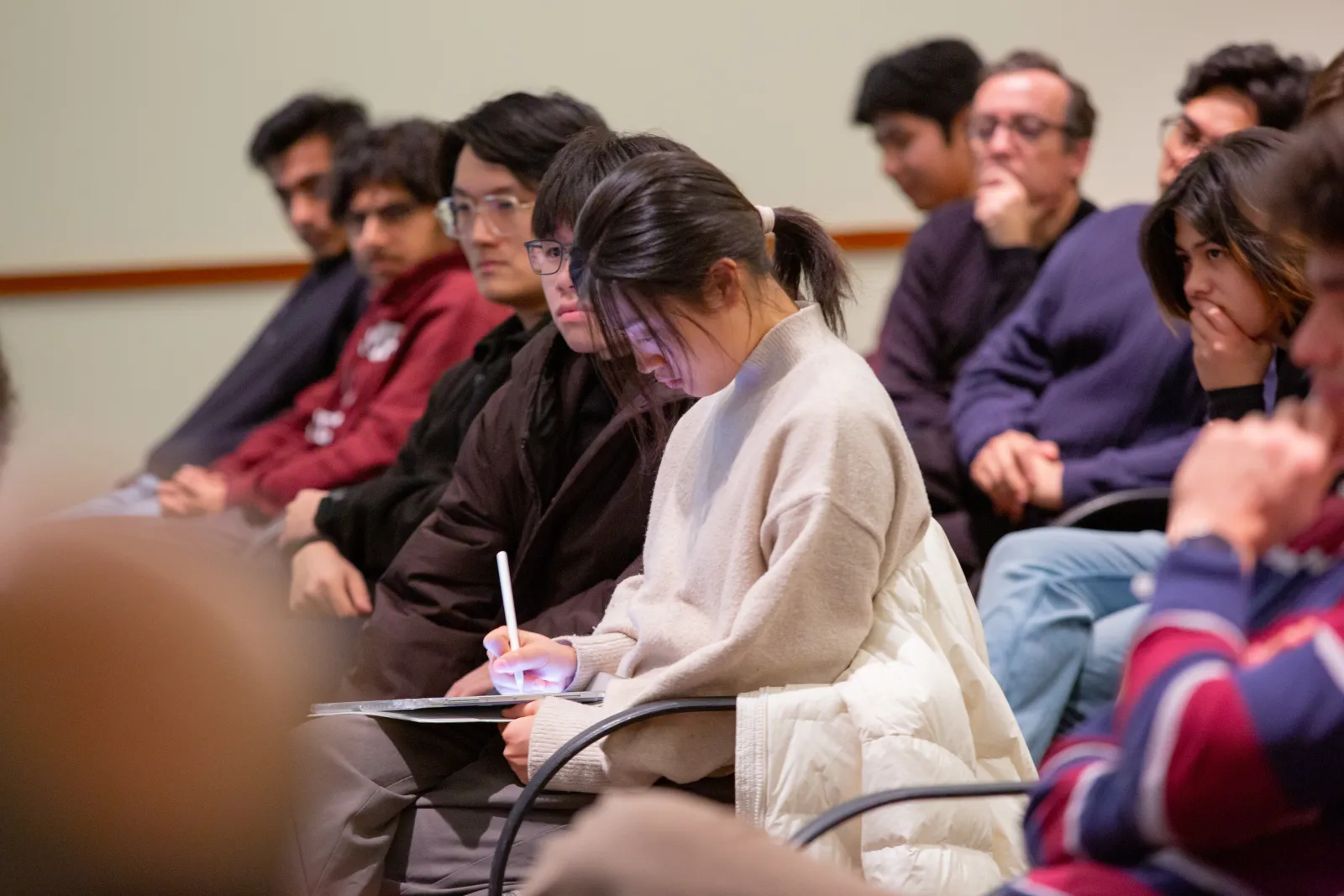
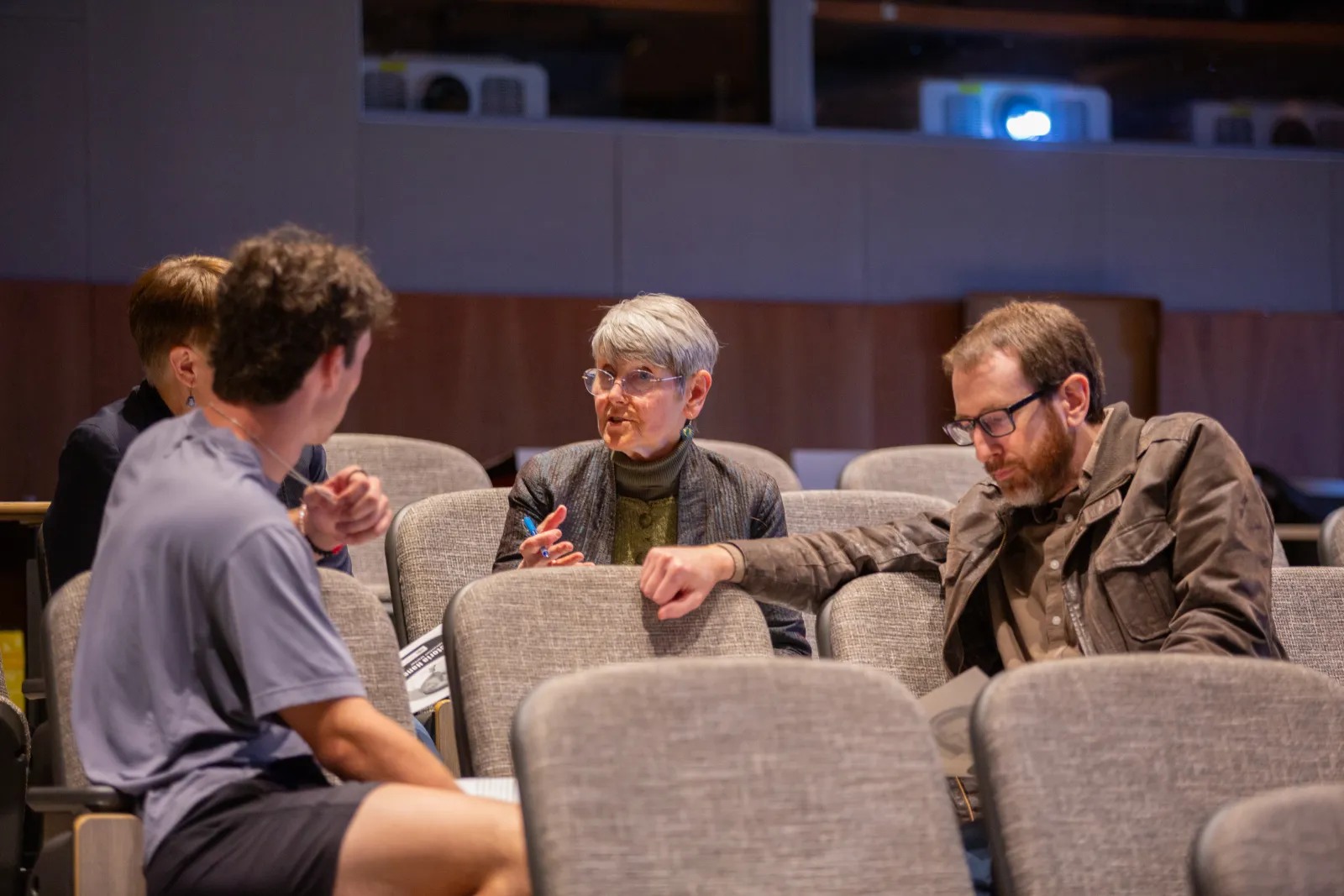
The Center for Innovation and Leadership is offering event funding to faculty and staff to expand our understanding of leadership practices in a modern, complex and rapidly changing world. The Leadership in Practice Series seeks to engage expert contributors through talks, workshops, field trips and multimedia experiences to learn about diverse, impactful leadership. Conversations may explore some of the challenges and potentials for leaders, what models can we learn from, and how we can enact restorative leadership practices at Swarthmore and beyond.
The CIL understands leadership as behaviors and practices that enable a group of people to move towards a goal. Leadership can come from any position in a community, and happens through effective communication, problem-solving, decision-making, and teamwork. Leadership is deeply intertwined with collective action, and we welcome explorations of what this might look like in different contexts.
LEADERSHIP IN PRACTICE SERIES GOALS
- To explore diverse historical and contemporary models of leadership
- To create opportunities for active engagement in discourse around new possibilities of equitable leadership
- To identify pathways for leadership exploration that encompasses a wide range of contexts, practices and identities
- To learn about impactful leadership practices that can be thoughtfully reimagined and deployed to further the goals of Swarthmore communities
EXPERT CONTRIBUTOR CRITERIA
- The expert contributor must share their practical experiences in leadership or developing leadership practices. This work must be applied in nature.
- The expert contributor and topic must draw from, relate to or directly support a course, courses or programs for students, faculty and staff being delivered in Fall 2026-Spring 2027. Leadership in Practice should support existing courses/programs.
AWARD LOGISTICS
The CIL Leadership in Practice Series will provide an honorarium award for speakers , and also facilitate reasonable support budget for travel, lodging, as well as refreshments (circa up to $2,000). The CIL may also provide limited logistical support for the organization of the event in the form of room reservations, promotions, and similar support at the request of the fundee. In addition, The CIL Leadership in Practice Series is interested in partnering with departments or centers to fund larger events. While applications are submitted by one faculty member or staff, there is space to list other faculty/staff that support the application where the speaker would benefit their mutual goals.
Previous FundeeS
- Peace and Conflict Studies
PEAC 015 Introduction to Peace and Conflict Studies; PEAC 034 Organizing for Social Change; PEAC 135 Social Movements and Nonviolent Power
- Kazu Haga served as one of three keynote speakers for the 2025 Peace and Justice Studies Association (PJSA) Conference.. The PJSA is the North American Chapter of the International Peace Research Association. With 420 registrants, the PJSA meeting was the largest academic conference ever held at Swarthmore College, providing students outstanding opportunities to engage with scholars in the field, to experience a professional conference, and to meet other peace and conflict studies students from across North America. More to the point, many who attended the keynote addresses, heard Kazu Haga deliver a well-received lecture by an expert whose work they had read in "Introduction to Peace and Conflict Studies" class. I have had other opportunities to draw on that lecture in comments to my "Organizing for Social Change" class this spring, and I am sure I will do the same when I teach my honors seminar on "Social Movements and Nonviolent Power" in fall 2026, when students will read one of Haga's books.
PEAC 42: Human Rights Law and Advocacy
- The Leadership in Practice program's support was crucial in exposing students who people who are doing the hard work of human rights advocacy where the rubber meets the road.
- "I was particularly struck by how the speaker emphasized the importance of understanding a person's background and experiences to provide truly effective support," wrote a student who attended Tashi Sherpa's presentation and discussion, expressing gratitude for us bringing "such an insightful speaker."
- "It resonated deeply with me, as it mirrors what draws me to a career in healthcare, specifically the opportunity to use shared experiences and cultural understanding to inform the care I provide," the student wrote.
- "Hearing about her work as a case manager in refugee resettlement also made me reflect on how essential it is to recognize the challenges people face beyond immediate needs. It’s about building trust and empowering." In the student's words, this was "a powerful reminder of how social and cultural awareness can shape effective, compassionate care."
- Several students stayed back to get her contact information. Thank you for opening these doors for them!
PEAC 015: Introduction to Peace and Conflict Studies
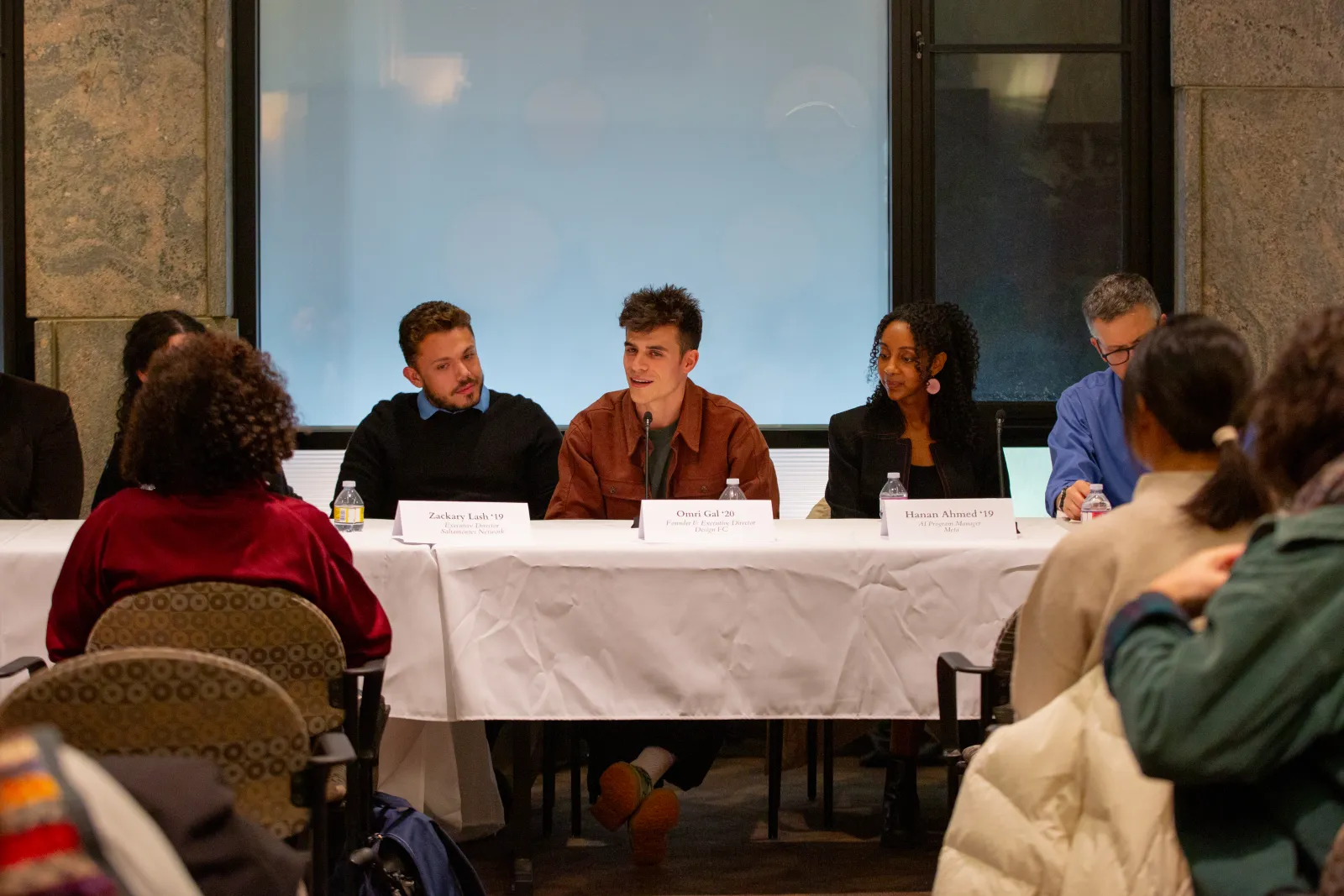
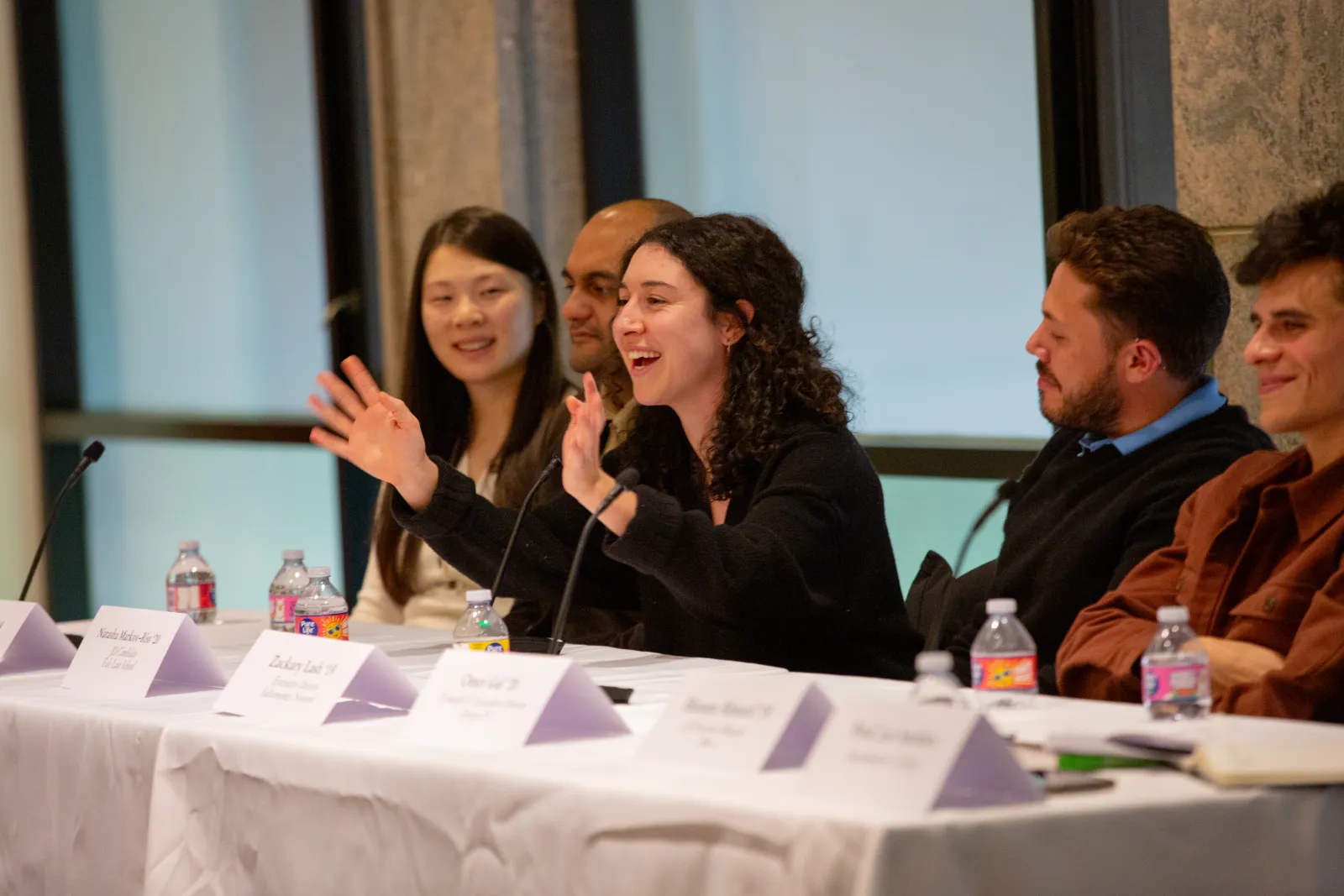
- On Monday, December 9, 2024, the Department of Peace and Conflict Studies, with support from the CIL Leadership in Practice Grant, organized our "Recent Alumni Panel: Reflections on Leadership." The panel featured 6 recent alumni of our department who reflected on how their Swarthmore and peace and conflict studies journeys have shaped their approaches to leadership in their current professional settings. Hanan Ahmed '19 is an AI program manager at Meta, Omri Gal '20 is founder and executive director of Design FC, Zackary Lash is founder and executive director of Saltamontes, Natasha Markov-Riss '20 is a JD candidate at Yale Law School, Angel Padilla '18 is a Peace Corps volunteer in the Philippines, and Nancy Yuan '20 is a program manager at the American Red Cross. This panel was required for students in the Fall 2024 Introduction to Peace and Conflict Studies course and open to entire community. This was followed by a reception which went on for two hours!
PEAC 053
- During the Spring 2024 semester, I taught PEAC 053: Gender, Sexuality, and Social Change, which had 50 students enrolled. As part of the course, I invited Dr. Timothy McCarthy from Harvard University to speak, and his lecture was required for my students, and open to the entire Swarthmore community. Approximately 75 students were in attendance. Dr. McCarthy's talk was entitled, "Queer Nation: LGBT+ Protest, Politics, and Policy in the United States," and it was remarkable. McCarthy shared his personal journey teaching communications and leadership at the Harvard Kennedy School, his experience as the first openly queer professor at HKS, and he provided a historical overview of LGBTQ social movements in the United States. I'm grateful to CIL for your support in making this visit to Swarthmore possible.
- Pre-Law/Political Science
Pols 02 American Politics; Pols 014 Constitutional Law and Politics: Civil Rights & Liberties
- Representative Mary Gay Scanlon’s talk: “Law and Leadership in the U.S Congress” directly supported course offerings at Swarthmore, including – but not limited to – “American Politics" and "Constitutional Law and Politics: Civil Rights & Liberties”. Representative Scanlon’s decades of experience as a practicing attorney and as a Congresswoman (since 2018) provided a “real-world” look at many themes covered in political science course offerings. For American Politics students, Representative Scanlon shared fascinating insights into congressional party organization, public advocacy, and how much legislative efficacy depends on being in the majority party in the House of Representatives. She described the impact of pro bono work in helping vulnerable communities and how litigation experience helped prepare her for work on Congressional committees. Students were struck by how attuned members of Congress are to constituent feedback and the impact of pro bono representation, especially in the area of immigration and naturalization.
- Linguistics/Education/Media
EDUC 165: School District-Based Research: Theory and Practice - Mark Lewis
- Leadership in Practice allowed me to invite as guest speakers two local experts in school district-based research and leadership: Dr. Adrienne Reitano Director of Research and Evaluation at the Pennsylvania Academy of School Leaders and Dr. Katie Pak, Director Of Leadership Professional Learning at the School District of Philadelphia. Drs. Pak and Reitano shared specific connections between leadership and research from their experiences supporting school leaders in Philadelphia. Both used research to support the leadership development programming they are a part of, and Dr. Reitano additionally sometimes coached school leaders in using and interpreting research evidence. Students in the seminar asked questions about how the principles we encountered in our readings applied to the specific leadership cases the two guest speakers had encountered.
MUSI 2C: Taiko & Asian American Experiences - Lei X Ouyang
- The Leadership in Practice engagement provided students with the opportunity to meet an artist in person, experience her unique leadership style, and hear directly from her about the performing arts group we have been studying this semester.
MUSI 043 (Chorus) - Nathan Reiff
- Early in the spring semester, Chorus had the opportunity to work closely with members of TENET Vocal Artists, a professional vocal chamber ensemble based in New York City. A quartet of singers from TENET visited our rehearsal, leading the students in vocal exercises and guiding us as we rehearsed our repertoire. The experience was invaluable, as the TENET artists offered their unique perspectives on musical interpretation, vocal technique, and group music-making. Particularly valuable was their emphasis on a chamber music-style approach in which individual members of the ensemble help to collectively guide musical decision-making. In a large group like Chorus, which typically includes 80-90 student and community members, a non-hierarchical leadership model like this one is often difficult to execute in practice. However, TENET empowered individual members to be able to make and share their own interpretive ideas in a new and compelling way.
Anthropological Linguistics / Linguistic Anthropology - LING 21 / SOAN 021L - K. David Harrison
- I would like to report that Dr. Laura Ahearn's visit to Swarthmore on Nov. 10, generously funded by CIL, was a success. During my “Linguistic Anthropology” seminar meeting (1 to 4PM), which included 27 students (including some BMC students), Dr. Ahearn gave an inspiring presentation "Nepal: Continuity and Change", in which she covered her personal and professional trajectory from Peace Corps volunteer in Nepal through full Professor at Rutgers and NSF/USAID officer. She presented two longstanding research projects, one on a women’s song festival, and another—based on her book “Invitations to Love: Literacy, Love Letters, and Social Change in Nepal”—about changing marriage practices in Nepal in the context of globalization. Throughout this narrative, Dr. Ahearn also gave the students some good career advice.
The theme of leadership was woven throughout the day, including in our faculty lunch conversation, where we talked about how to better position our students for their careers and enhance their leadership and soft skills. In my seminar, Dr. Ahearn when talking about about Nepali culture repeatedly brought up themes of power, agency, gender, and leadership, both at the village level—based on her fieldwork—and in the context of current global events (e.g., the recent mass protests/uprising in Nepal, the fall of the government, and the emergence of a new govenment headed by the first female Prime minister). The students submitted many excellent questions in advance, based on Dr. Ahearn’s textbook “Living Language: An Introduction to Linguistic Anthropology”; most of these were addressed during the session. Dr. Ahearn also gave the students her email for follow-ups on some specific student projects.
Ling 105, Ling 55, Education 53, Education 91B, ASLG 1, ASLG 3, Theater 1, Theater 2A, Theater 2B, Theater 15, Film & Media Studies 1, Film & Media Studies 15 - Donna Jo Napoli
- This was a multi-sponsored event. I can speak only with respect to my two courses: Ling 105 "Children's Fiction Books: How to Deliver the Information" and Ling 55 "Bimodal-Bilingual Videobooks for Deaf Children." My students have been studying the nature of visual storytelling all semester, considering both illustrations and sign language tellings. We compare constantly to the information that is in text and that is delivered by the voice reading text or orally telling a story. Our focus is on how to make stories that ring true to the deaf child's experience and that build on all the perceptions: sight, taste, touch, smell, and "hearing" (where for "hearing" we deal with both audiological information and beat information that may come from sound waves traveling through media other than the air). The two presenters talked about all of these matters, but they went beyond and talked about matters of language rights and access to literacy skills. I was particularly grateful for those extensions because too often people either do not recognize that studying a marginalized community comes with responsibilities of the majority community or do not have any idea of how they might shoulder such responsibilities.