Malavika Eby ’25 Broadens Conversations About Endometriosis
March 12th, 2026
Cara Anderson
Next week, Malavika Eby ’25 will present insights on patient-physician relationships in endometriosis care during the “Reproductive Justice Research in Action Panel: Early Career Research on Endometriosis” in recognition of International Endometriosis Month.
The panel, coordinated by SisterSong, a reproductive justice collective of women of color, is open to the public and will take place on Zoom on Tues., March 17 from 6 to 7:30 p.m. EST. Participants can RSVP online.
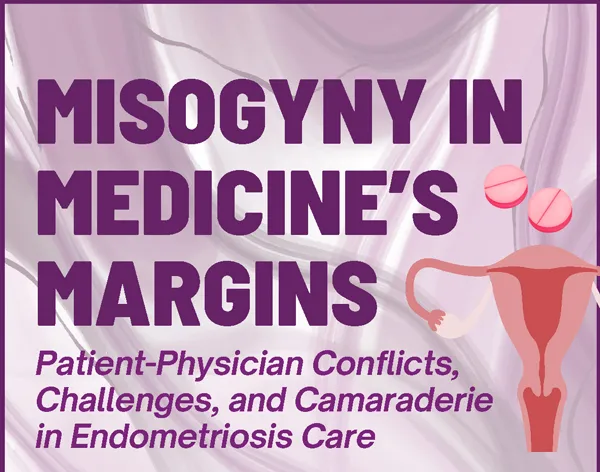
Eby’s thesis, “Misogyny in Medicine’s Margins: Patients’ and Physicians’ Conflicts, Challenges, and Camaraderie in Endometriosis Care,” was developed under the mentorship of Associate Professor of Anthropology Christine Schuetze, through the Sociology & Anthropology Department, and as an engaged scholar from the Lang Center for Civic and Social Responsibility. The research was supported by the department’s Sophie and William Bramson Prize and the David G. Smith Internship in Health and Social Policy. In summer 2024, Eby shadowed an endometriosis specialist and gynecologic surgeon at anurban tertiary medical center in the Mid-Atlantic region to study the interactions of endometriosis patients and physicians. She also conducted virtual interviews with patients and physicians across the United States.
Eby began delving into the “endless grim truths about the state of endometriosis diagnosis, treatment, and care” in 2023. Endometriosis, an inflammatory disease, affects about 10% of women. Patients wait, on average, seven to 10 years to receive a diagnosis. Endometriosis occurs when tissue similar to endometrial lining (which normally grows inside the uterus) grows on organs like the intestines, bladder, or lungs. The tissue can cause organ dysfunction and chronic pain.
In her research, Eby examines endometriosis patient experiences, the working conditions of physicians who work in endometriosis care, and the ways in which systemic barriers such as misogyny shape endometriosis care.
“Often, scholarship around endometriosis care frames physicians and patients as being at odds with one another,” says Eby. “Findings from this study offer a few different angles to understand patient-physician relationships: For one, gynecologists' systemic challenges in the medical field (e.g., inequitable insurance reimbursement, physician shortages, inadequate education) contribute to their burnout and block them from being physically and emotionally present with patients, many of whom have histories of medical trauma and need more extensive support.
Additionally, the issue of “testimonial injustice” (being considered untrustworthy due to negative stereotypes) leads women in health care to be dismissed and discredited. Conflict arises in endometriosis care when both female patients and physicians struggle to feel heard and wield influence over medical decision-making.”
Eby majored in medical anthropology and minored in psychology and gender & sexuality studies, and is a first-year medical student at Thomas Jefferson University’s Sidney Kimmel Medical College. She hopes to pursue a career as an OBGYN in academic medicine.
Submissions Welcome
The Communications Office invites all members of the Swarthmore community to share videos, photos, and story ideas for the College's website. Have you seen an alum in the news? Please let us know by writing news@swarthmore.edu.