Economist Ellen Magenheim Discusses Uneven Coverage of GLP-1s
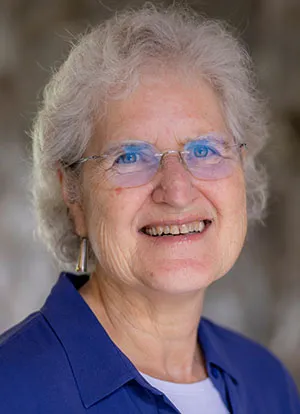
Centennial Chair and Professor of Economics Ellen Magenheim, an expert of health economics, recently joined Mitchell Hartman ’85 on NPR's Marketplace, to discuss how employers are grappling with the high cost of covering GLP-1s.
GLP-1 drugs, as Hartman reports, are highly effective and highly expensive medications for treating diabetes and obesity.
In the U.S., employer coverage of GLP-1s is uneven. Ninety percent of employers in the country cover GLP-1s for diabetes, while only 36% of employers cover GLP-1s for obesity.
High costs of the medication have led employers to weigh the health benefits against the financial investment. A GLP-1 may improve a worker’s health, but the benefits might not translate into lower health care costs, fewer sick days, or increased productivity. Companies that have scaled coverage back by removing obesity coverage have left patients paying exorbitant costs for the drugs.
Companies may well never recoup the current high cost of covering GLP-1s for weight loss in terms of achieving better health outcomes for workers, or higher productivity, says Magenheim. She adds that so far, research on the question isn’t encouraging.
Despite not being able to recoup the costs, Magenheim doesn’t believe that justifies companies’ decision to not extend coverage.
“This distinction between your insurance will pay for it if you’re diagnosed with diabetes, but not if you have obesity — I don’t fully understand,” Magenheim said. “Clearly, they’re very effective, important drugs that we would want people to take.”
Magenheim argues that the current system benefits the most privileged members of society — those with gold-standard health plans, or enough wealth to afford GLP-1s on their own. She pointed out that the vast majority of patients on Medicaid — the federal health insurance program for low-income people — can’t get coverage for GLP-1s to treat obesity.
“Some private insurers cover it, some don’t,” says Magenheim. “Some are cutting back because it’s very expensive. The cost seems prohibitive for anybody but those with high income or assets to be able to pay for it out-of-pocket.”