- Engaged Humanities Studio Fellows
Applications for the Engaged Humanities Studio are due on May 15 of each year for the following year.
The Engaged Humanities Studio provides three types of grants to be implemented over the course of 12-18 months. Grant recipients are named Engaged Humanities Studio Fellows for the year. Each year, the EHS awards:
One Project Grant — Up to $15,000 project budget to a faculty or staff member seeking to work with community members to implement a project. The selected project team works closely with the Lang Center to implement the project over the course of 12-18 months.
Two Discovery Grants — Up to $5,000 for faculty/staff to research issues, reach out to communities, or pilot a project in preparation for applying for a full project grant the following year or deepening an existing project. Projects should seek to engage publics through participatory creation, research, or problem-solving.
Two Student Grants — Up to $1,500 to design and/or execute a project over the course of the year. Note: preference will be given to students who have either previously worked with their community partner or have plans to through an ESCH course, internship, or research project.
All project grantees agree to attend two Engaged Humanities Studio Retreats, which generally take place the 2nd week of September and the 4th week of January each year. These retreats will focus on both the theory and practice of publicly engaged humanities and will be opportunities to discuss shared readings, best practices, and receive project feedback. All community partners are welcome and encouraged to participate. Participants receive small stipends for participation.
Engaged Humanities Studio Fellows agree to:
- Complete a project with a community partner over a 12-18 month period.
- Participate in two retreats, generally scheduled for the Friday or Saturday after the first week of classes in both Fall and Spring.
- Participate in an end-of-year celebration in which you will share your project with the public, typically scheduled for the last week of April.
- Meet with Katie Price on a regular basis (at least once a semester) to discuss progress, address challenges, and receive support.
- Evaluate applicants for next year’s applicants.
Community partners are strongly encouraged, though not required to attend all of the above events and meetings.
- Grant Criteria and Application Process
Grant Criteria and Application Process
Criteria for Project Grants:
- Co-apply with a community partner or have a community letter of support
- Project should be linked to at least one course during the project term
- Result in a public output (e.g. exhibition, digital resource, publication)
Project Grants will be evaluated, by a committee, on:
- Potential to integrate academic and community-based means of knowledge production in ways that propose creative solutions to contemporary issues
- Ability to develop or support campus-community partnerships that could extend beyond a single semester or year
- How the project’s design reflects the values of justice, reciprocity, and mutual transformation.
Each year, applications will be due on May 15. Announcements will be made by July 1.
- Philosophy, Values, and Goals
- Increase connections between campus/scholarship and community/practice.
- Seek to work together in ways that are transformational as opposed to transactional, undertaking a process of shared discovery that is reciprocal and non-hierarchical.
- Be grounded in people and place, focusing on the art/talent/expertise/knowledge that we already have, prioritizing community and cultural knowledge in ways that uplift their ideas for solving issues closest to their lived experience.
- Aspire to create models for working in community that can be models for other colleges and universities.
- Critically examine our processes, particularly in relation to how we are thinking about/participating in making, sharing, exhibiting, curating, and translating.
- Be honest in intent, being generous with each other and our resources while acknowledging our capacities and limits.
- Bring together people from different positionalities (e.g., artists, scholars, students, politicians, community members) to share resources, ideas, and learn from each other.
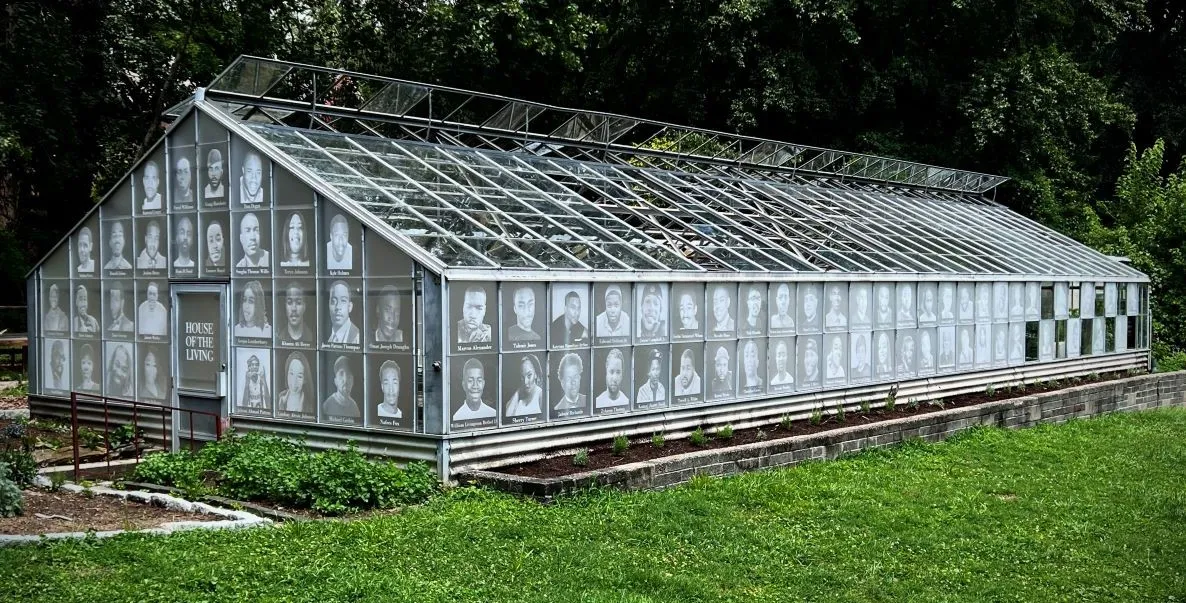
- House of the Living 2.0
Associate Professor of Art Ron Tarver, Assistant Professor of Art Jody Joyner, Assistant Professor of Art Sony Devabhaktuni, Project Manager Laura Oliver, The EMIR Healing Center, and Awbury Arboretum
House of the Living 2.0 will reimagine a site-specific memorial and public artwork at Awbury Arboretum honoring Philadelphians whose lives and stories have been erased by homicide. The project will take shape through deep study of the site and close consultation with community members.
- The Black History of Public Health
Assistant Professor of History Elise Mitchell and Artist Jazmyn Jamil
Swarthmore students will work together with local artist Jazmyn Jamil on a chronological zine and website that charts the Black history of public health in Philadelphia from the founding of the U.S. to the present. This project will take place in the context of the The Black History of Public Health in Philadelphia course, which engages with archival and scholarly publications, discussions with local academic experts, and collaborative zine-making about how Black Philadelphians have historically contended with public health crises and sought to redress racial health disparities in their city.
- Budget Justice: Reimagining Public Budgets Through Performance
Assistant Professor of Theater Alex Torra, Founder/Facilitating Artist of People’s Budget Office Phoebe Bachman, Project Manager of People’s Budget Office Sarah Bishop-Stone, and Jessica Qin ’28
This project explores how theater and performance can reimagine public budgets as stories of community values, priorities, and collective futures. In partnership with Philadelphia’s People’s Budget Office, the research investigates how performance practices can deepen civic participation and create new ways for residents to engage with the decisions that shape their communities.
- Five Phone Calls: A Multilingual Devised Performance By and About International Students
Joanna Hong ’27, Artistic Director of the Philadelphia Theatre Company Tyler Debrowski, and Team Sunshine Performance
This project explores the challenges faced by international students at Swarthmore — from the visa process to financial strain and racism. Through collaboratively devising a performance to be held in Fall 2026, it aims to create a platform for international students to share their stories in their own languages, while also fostering connection and support in the current political climate.
- Design with Neighbors: An Exploration of Playful Public Space in Chester
Xinyun Li ’27 and Artist and Community Developer L Ward
Design with Neighbors is a community-based architectural design project that aims to create public space for play in downtown Chester. It considers play as a tool for connections and empowerment and approaches design as a collective action. Through inviting members of the Overtown community to the design process, the project imagines possible forms of play in downtown Chester, exploring how play space designs can enhance civic life and a sense of home.
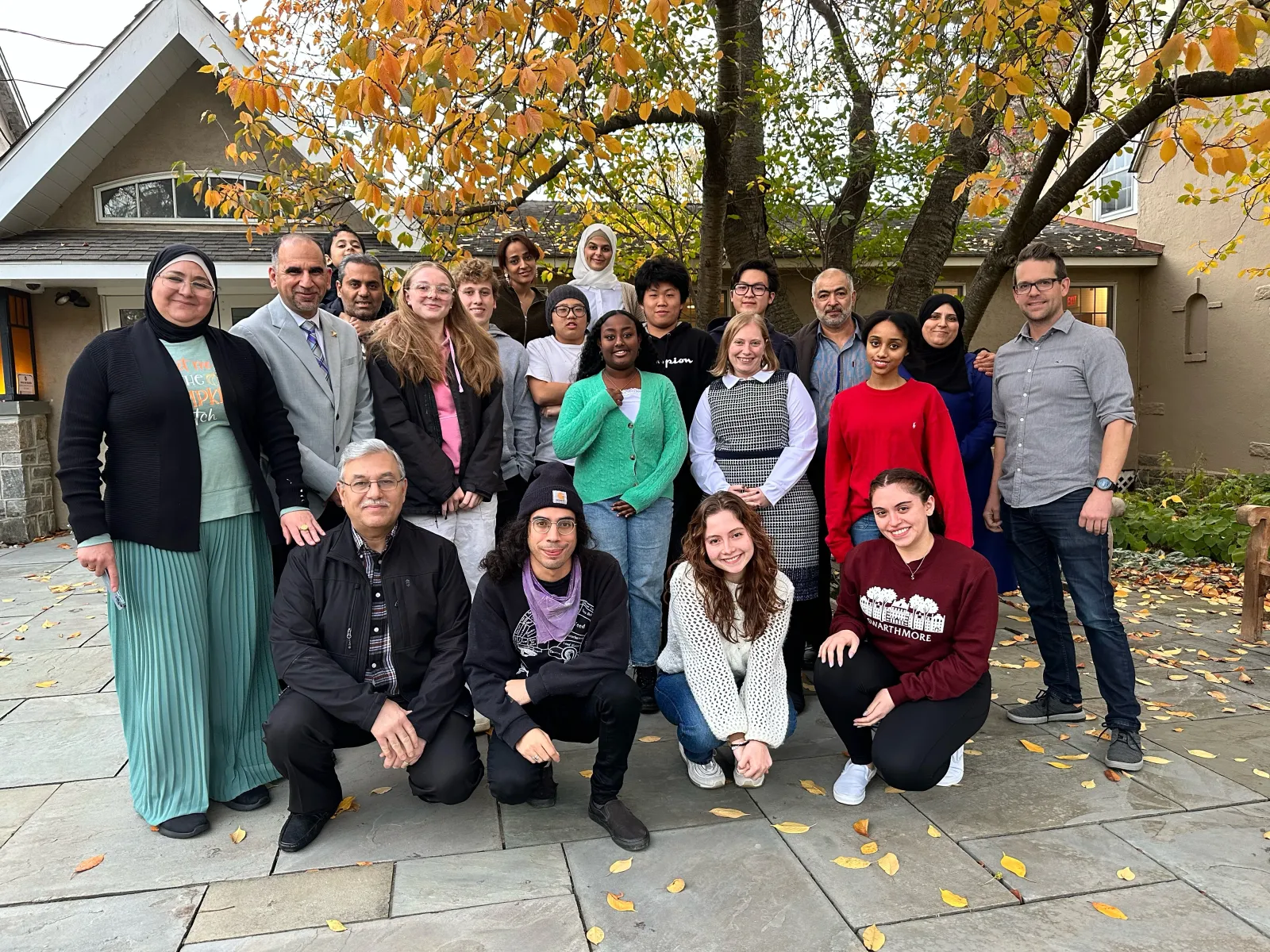
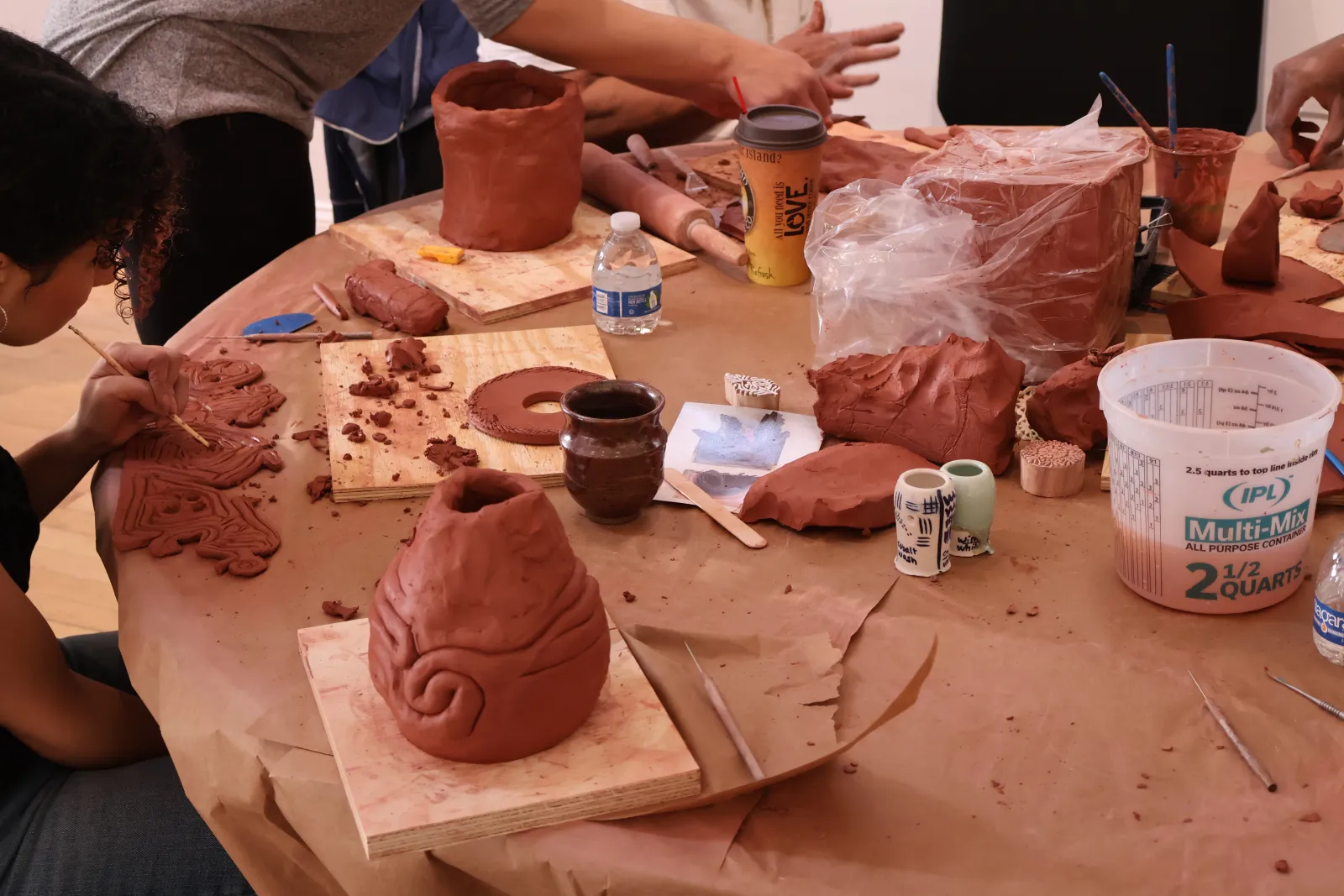
EHS Faculty Fellows


Engaged Humanities Studio Contact
Katie Price
Director, Community Engaged Learning & Special Projects
Lang Center for Civic & Social Responsibility
Contact
Links