Russian

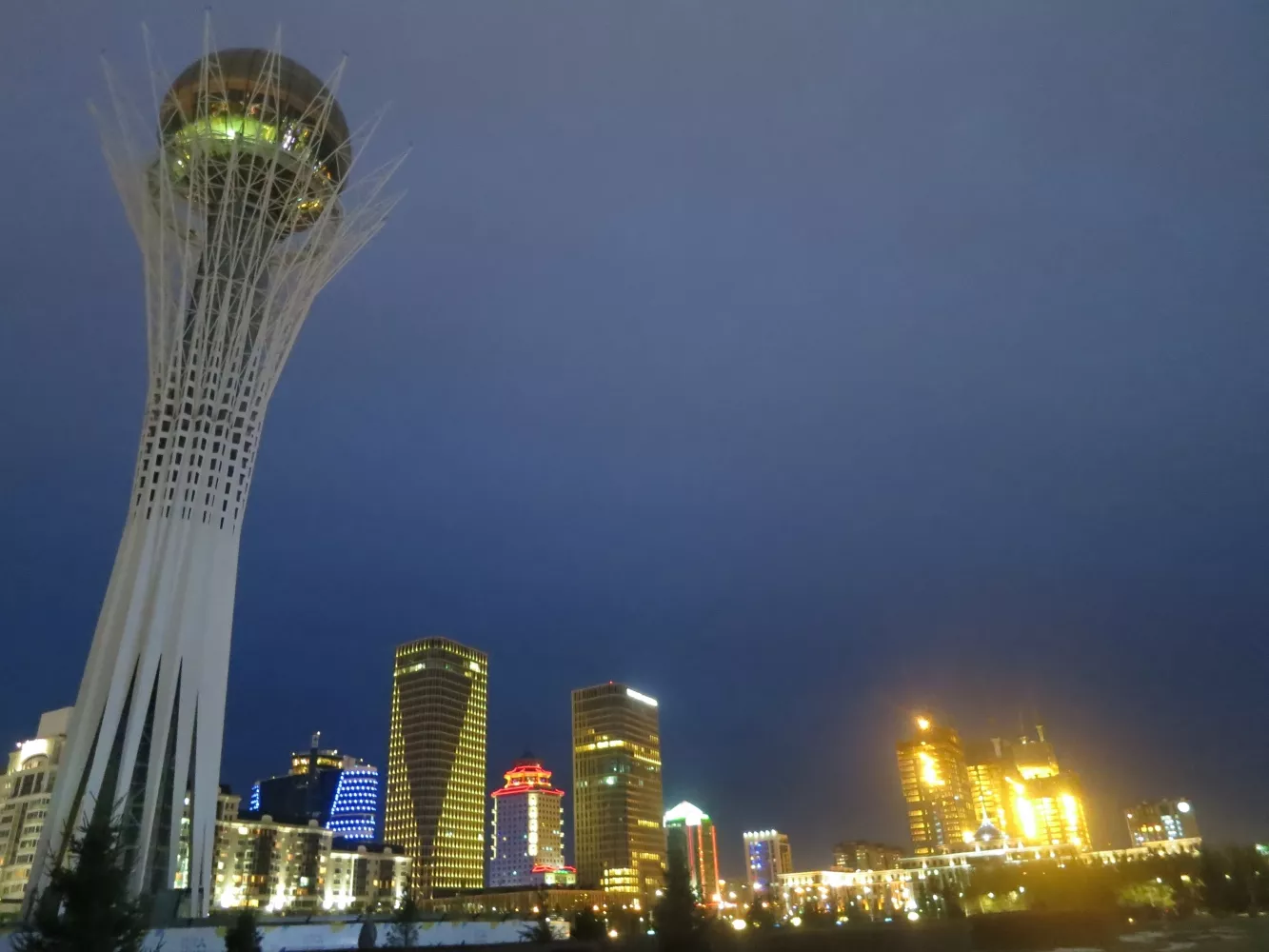
Russian skyline

Department Overview

The Russian Program at Swarthmore College aims to give students a broad view of Russian language, literature, and culture. Historically, Russian people have made enormous contributions to world culture in music, literature, the arts, engineering, and the sciences. (Did you know that Sofya Kovalevskaya (1850-1891) was the world's first female professor of mathematics. Though she got her higher education outside Russia.) Today the Russian Federation is an important global player, for better or worse, which makes the study of Russia's language and culture of continuing strategic importance. The Russian language is an important tool for communication in Central Asia and the Trans-Caucasus and great study-abroad programs are available there. 

Learn more here.
Why Study Russian?

1. Russian is the language of the largest country on the planet, spanning 11 time zones across Europe and Asia.
2. With over 270 million speakers worldwide, Russian is the 6th most widely spoken language on the planet.
3. Russian remains the lingua franca of central Asia, and is one of only six official languages at the UN.
4. Russian is designated a Critical Language by the State Department, which means more funding to study the language and more opportunities in the public sector.
5. Russian culture! It's the language of Dostoevsky, Tolstoy, Chekhov, Tchaikovsky, Rimsky-Korsakov, Shostakovich, Tarkovsky, Eisenstein, Maleevich, Kandinsky, Chagall...and so many others!

Russian Language Table

Russian Table meets on Mondays in the DCC room 206 from 12:15-1:15pm. This is a chance not only to speak Russian and perhaps to chat about Russian foodways, but also to meet the other students who know or study Russian, and a shifting mix of faculty who speak or work on the language and culture - native speakers are welcome to attend!

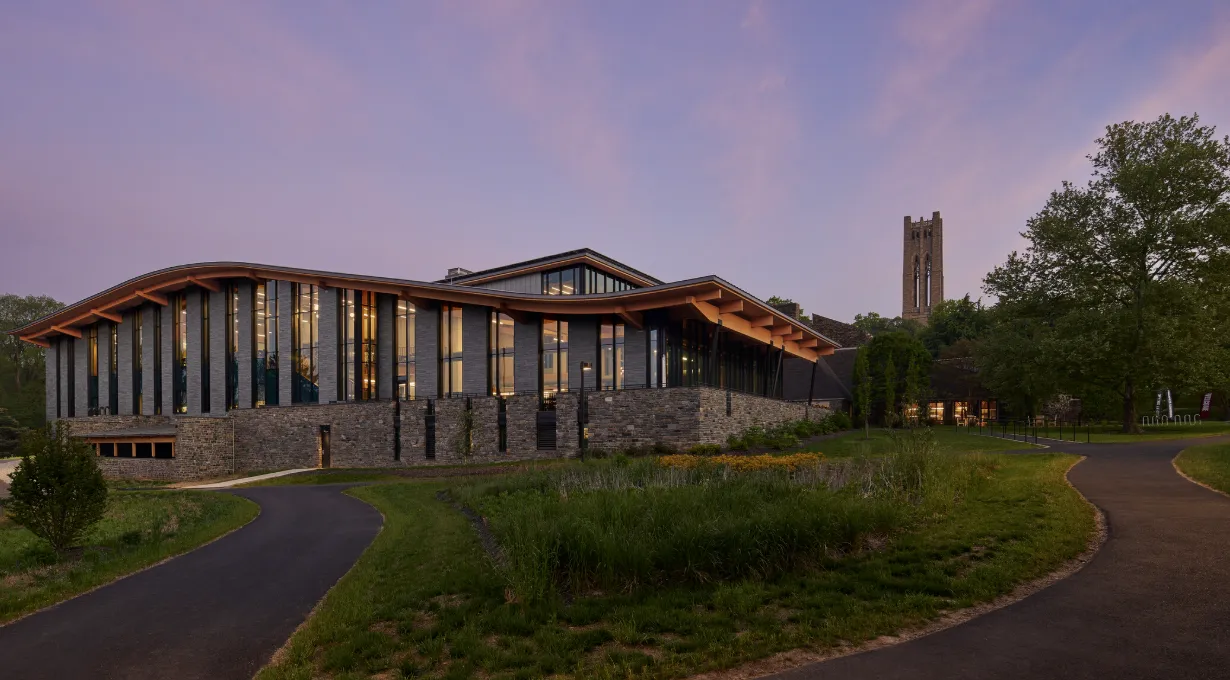
photo of exterior of Dining and Community Commons at dusk

Russian Literature + Medicine: Fall 2026

This course examines narratives of illness and recovery in Russian literature, from the mid-19th century to present. We will read works by leading literary figures who were also physicians (Chekhov, Bulgakov) as well as semi-fictional and fictional case histories (Tolstoy, Dostoevsky, Palei, etc.). We will discuss how literary representation helps us make sense of our lives and our worlds in times of crisis as we trace how medical ideas and history find reflection in literature and, conversely, how literary concepts are marshaled by medicine. We will analyze how the texts we read reveal and affect cultural assumptions about disease and medical authority.  Addressing some of the most pressing issues of our era, the readings will challenge us to reconceptualize our preconceived notions of normality/disability, health/disease, and life/death.

Writing intensive
FALL ’26
T/Th 1:15-2:30
Dr. Anton Svynarenko 

poster for class. russian literature + medicine RUSS035/litro35r find out what russain authors had to say about disease and disability, madness and addiction, the possibilities of cure and the inevitability of death

LING 070/LITR 070R/RUSS 070

This workshop in literary translation will concentrate on both theory and practice, working in poetry, prose, and drama as well as editing. Students will participate in an associated series of bilingual readings and will produce a substantial portfolio of work. Students taking the course for linguistics credit will write a final paper supported by a smaller portfolio of translations. No prerequisites exist, but excellent knowledge of a language other than English (equivalent to a 004 course at Swarthmore or higher) is highly recommended or, failing that, access to at least one very patient speaker of a foreign language.

Choose a Language Program